
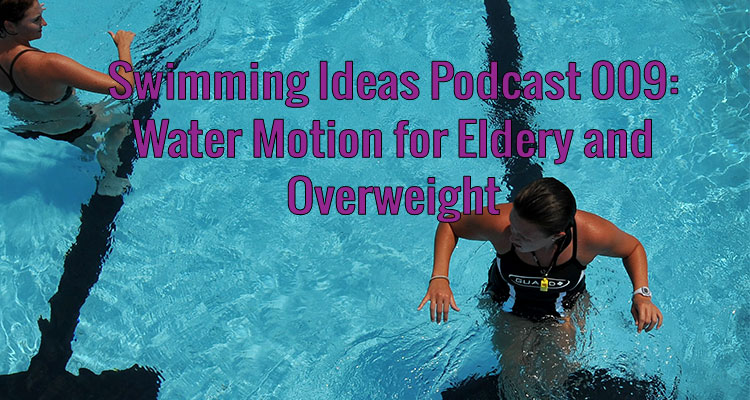
The Unique Benefits of Water Exercise
Why is the water such a great place to work out? Unlike traditional gym equipment, water provides natural resistance and buoyancy, making it safe and effective for nearly all fitness levels. Here are some key benefits:
- Reduces body weight by 80%: The water supports your body, significantly reducing the stress on joints like knees and ankles.Resistance with every motion/movement: Moving through water requires constant muscle engagement, providing a full-body workout.Creates a good aerobic environment without impact: You can build cardiovascular fitness without worrying about joint strain.Can be as easy or as difficult as you want it to be: Adjusting the intensity is simple—just change your pace or add resistance.Build muscle and endurance just by being in water: The constant push and pull against the water helps tone muscles effectively.
While some facilities may require a membership or daily fee, the benefit of not needing to compete with lap swimmers makes it a relaxing and effective alternative.
Sample Introductory Water Workout
This routine is designed to get you started with low-impact, full-body movement. Remember to listen to your body and move at a comfortable pace.
Tips for Maximizing Your Water Workout
1. Improving Your Walk (The Full Body Approach)
When performing water walking, focus on using your whole body. This isn't just a leg workout—it's an opportunity for core strength and hip mobility.
2. Deep-Water Walking Techniques
For those who are comfortable in deeper water, flotation belts can keep you upright and floating at about shoulder height.
- How it works: You’ll stand waist- to chest-deep (or deep-water walking). You walk through the water the same way you would on the ground. Try walking backward and sideways to tone other muscles.Getting Started: Stand upright, with shoulders back, chest lifted, and arms bent slightly at your sides. Slowly stride forward, placing your whole foot on the bottom of the pool (instead of just your tiptoes), with your heel coming down first, then the ball of your foot. Avoid straining your back by keeping your core (stomach and back) muscles engaged as you walk.Adding Intensity: To boost your workout, lift your knees higher. You can also do interval training—pumping arms and legs faster for a brief period, then returning to your normal pace, repeating the process several times.
Safety and Next Steps
Before starting any new exercise regimen, it is always wise to consult with a healthcare professional. Here are a few final tips:
- Finding a Class: If you are new to water exercises, an instructor can ensure your form is correct and make the experience fun. To find a class near you, call your local YMCA, fitness center, or <a href="http://www.arthritis.org/chaptermap.php">Arthritis Foundation office</a>.Hydration: Even while keeping cool in the pool, remember to drink water! Exercising in a pool during hot months helps avoid problems like heat exhaustion and dehydration, but hydration is still key.
<em>Disclaimer: The information provided here is for educational purposes only. Always consult with a medical professional before starting a new exercise routine.</em>
Discussion0 comments