
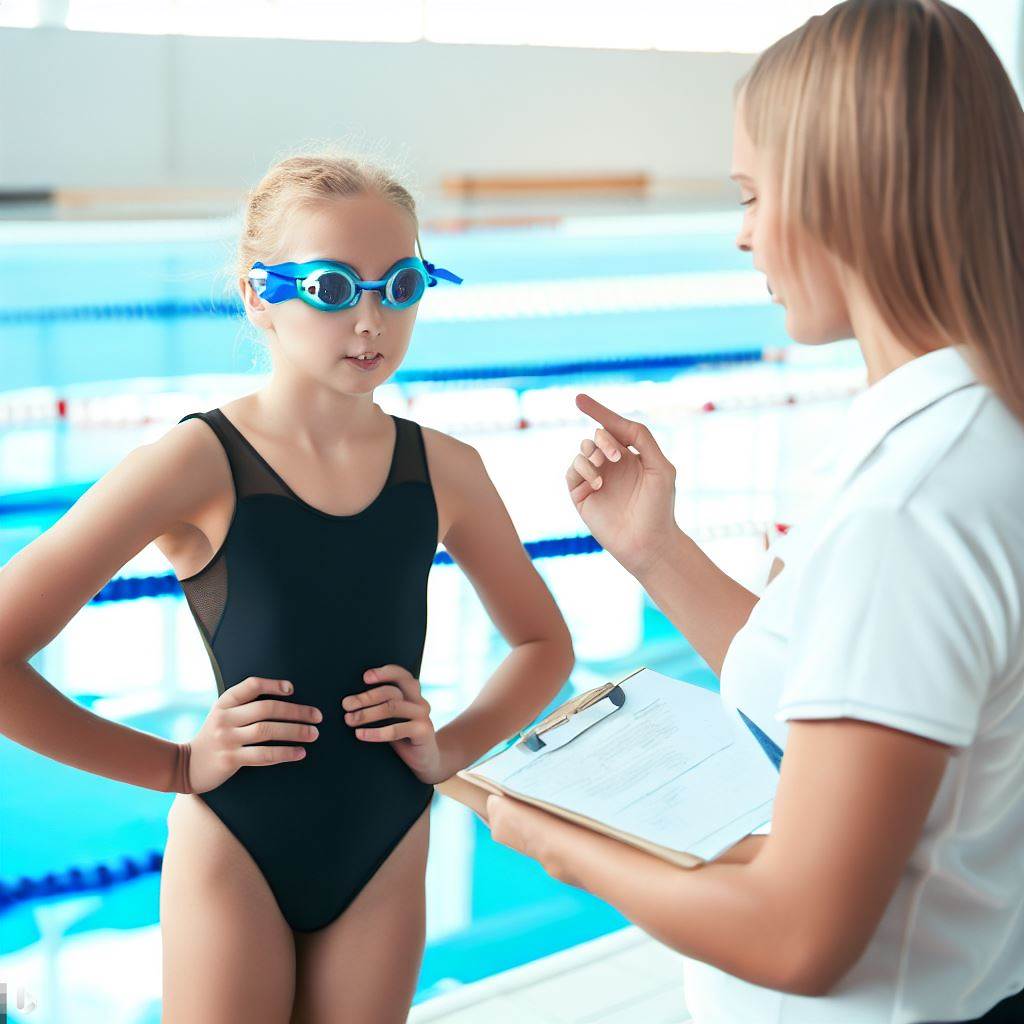
Feedback is an essential component of any learning process, especially in swimming. It helps swimmers improve their skills, correct mistakes, and build confidence. But not all feedback is equally effective. In this guide, we’ll cover the principles and practical tips for using feedback in aswimming lessoneffectively, based on resources from Swimming Ideas.
Principles of Effective Feedback
Effective feedback should be:
Tips for Using Feedback in a Swimming Lesson
Based on these principles, here are practical tips to make your feedback more effective:
Use a Variety of Feedback Methods
Feedback can be verbal, visual, or physical. Verbal feedback is the most common, but supplement it with demonstrations, videos, charts, hand signals, touch cues, or resistance devices. Different methods cater to different learning styles and preferences.
Use Positive Language
Phrase feedback in a positive, encouraging way. Instead of “don’t lift your head” or “stop bending your knees,” say “keep your head down” or “straighten your legs.” Positive language helps swimmers feel more confident and motivated.
Use Questions and Self-Evaluation
Encourage swimmers to reflect on their own performance. Ask questions like “What did you do well?” or “What do you need to work on?” This develops critical thinking and self-awareness, making feedback a two-way conversation.
Use Feedback as a Tool for Learning, Not Reward or Punishment
Focus feedback on the process (technique, effort) rather than the outcome (completed the task or not). This helps swimmers concentrate on mastering skills instead of comparing themselves to others or fearing failure.
Key Takeaways
Feedback is a powerful tool for enhancing learning and performance in swimming. By making it specific, timely, frequent, balanced, and actionable—and by using varied methods, positive language, and self-evaluation—you can help your swimmers achieve their goals and enjoy their swimming experience.
Discussion0 comments