
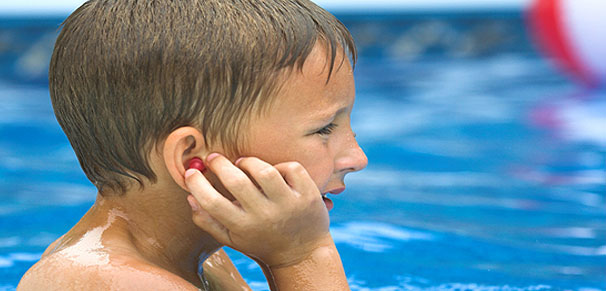
Swimmer's ear—that uncomfortable feeling of echoing, itching, or clogging after a swim—is an incredibly common experience, especially during the summer months when we spend more time at the pool. While it can be annoying, knowing what causes it and how to manage it can prevent discomfort.
We recently came across some popular advice regarding this issue, which highlights both the cause and some quick fixes recommended by experts.
What Exactly Is Swimmer's Ear?
According to medical sources, swimmer's ear is an inflammation of the skin inside the ear canal. This irritation typically occurs when water becomes trapped in the ear canal, creating a perfect environment for bacterial or fungal growth. It’s a reminder that even seemingly minor issues can require attention!
The Common Causes
- Trapped Water: The primary trigger is water remaining in the ear canal.Irritation: Chlorine, pool chemicals, or excessive exposure can irritate the delicate skin lining the ear.
Popular Home Remedies and Tips
When dealing with minor discomfort, some quick fixes have gained popularity. One recommendation we saw involves using rubbing alcohol to help dry out the trapped moisture.
The Alcohol Drops Method
For cases where there is no significant pain—just annoying water stuck in the ear canal—some experts recommend placing about five drops of rubbing alcohol into the ear canal, administered with an eye dropper. The theory is that the alcohol will help the trapped water evaporate.
⚠️ IMPORTANT SAFETY WARNING: This remedy should only be used if there is no significant pain and you are certain your eardrum is intact. Never attempt this if you have a hole in your eardrum or if you have any existing ear tubes. Always consult a healthcare professional before applying drops to your ears.
For more detailed information on various fixes, you can check out this resource:
http://lifehacker.com/the-best-fixes-for-swimmers-ear-961538172
Preventing Swimmer's Ear: Coach's Advice
While the above tips address existing discomfort, prevention is always the best strategy for swimmers. As coaches and instructors, we recommend these simple habits:
- After swimming, use a dedicated ear drying kit or simply tilt your head side to side while pulling gentle tension on your earlobes to help gravity drain excess water.If you are prone to this issue, consider using high-quality, waterproof earplugs when swimming.Gently dry the outer folds of your ear with a clean towel after every swim session.
When Should You See a Doctor?
While most cases are minor, it is crucial to know when a simple remedy isn't enough. Please seek professional medical attention if you experience any of the following:
- Severe pain or intense discomfort.Drainage (pus or blood) from the ear.Hearing loss or muffled hearing that persists for more than a day.Signs of infection, such as redness and swelling.
Discussion0 comments