
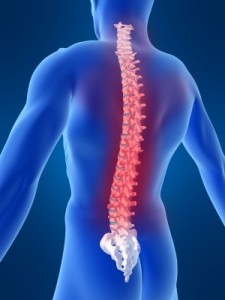
Spine and Core Alignment: The Foundation of Power
As land-based creatures, our spines are designed with natural curves—especially at the lower back and neck. These curves allow us to absorb shock while walking, running, or jumping. However, to become successful water-based athletes, we must learn to minimize these land-based curves and establish proper swimming position, often referred to as "The Line."
Understanding Spinal Mechanics in Swimming
Swimming requires different mechanical approaches depending on the stroke type. Generally, we categorize strokes into two groups:
- Long Axis Strokes (Freestyle and Backstroke): In these strokes, power is primarily generated through body rotation.Short Axis Strokes (Butterfly and Breaststroke): Here, power comes from manipulating an extended spine by flexing the core.
The Goal: Straightness and Extension
Regardless of the stroke, the fundamental goal is simple: the longer and straighter we can maintain our spine, the more efficient our movement will be. This principle applies differently to the two axis types:
Long Axis Strokes (Rotation)
A straight line rotates faster than a curved one. By keeping the core rigid and aligned, you minimize energy loss, allowing for greater rotational power.
Short Axis Strokes (Flexion)
When flexing an extended spine, energy flows smoothly. Conversely, if the spine is curved or compromised, those curves will interrupt the flow of energy, leading to wasted effort and fatigue.
The Core: Your Power Center
It is crucial to shift your focus from the extremities (arms and legs) back to the core area. Remember this hierarchy:
- Core Area: This determines the bodyline and overall stability. It is the engine.Extremities: These are primarily responsible for balance, transferring energy, and propulsion.
You must establish "The Line" first—the perfect spinal alignment—before you can effectively focus on what your extremities are doing. Think of building your strokes from the inside out! Strengthening the deep core muscles (transversus abdominis, obliques) is key to achieving this consistent, powerful line.
Coaching Tip: Integrating Core Awareness
When practicing drills, don't just focus on the movement; focus on the feeling of alignment. Ask swimmers to visualize a straight line running from their hips through their shoulders. This conscious effort helps them build the muscle memory needed to maintain that perfect core tension throughout the entire stroke cycle.
Discussion0 comments