
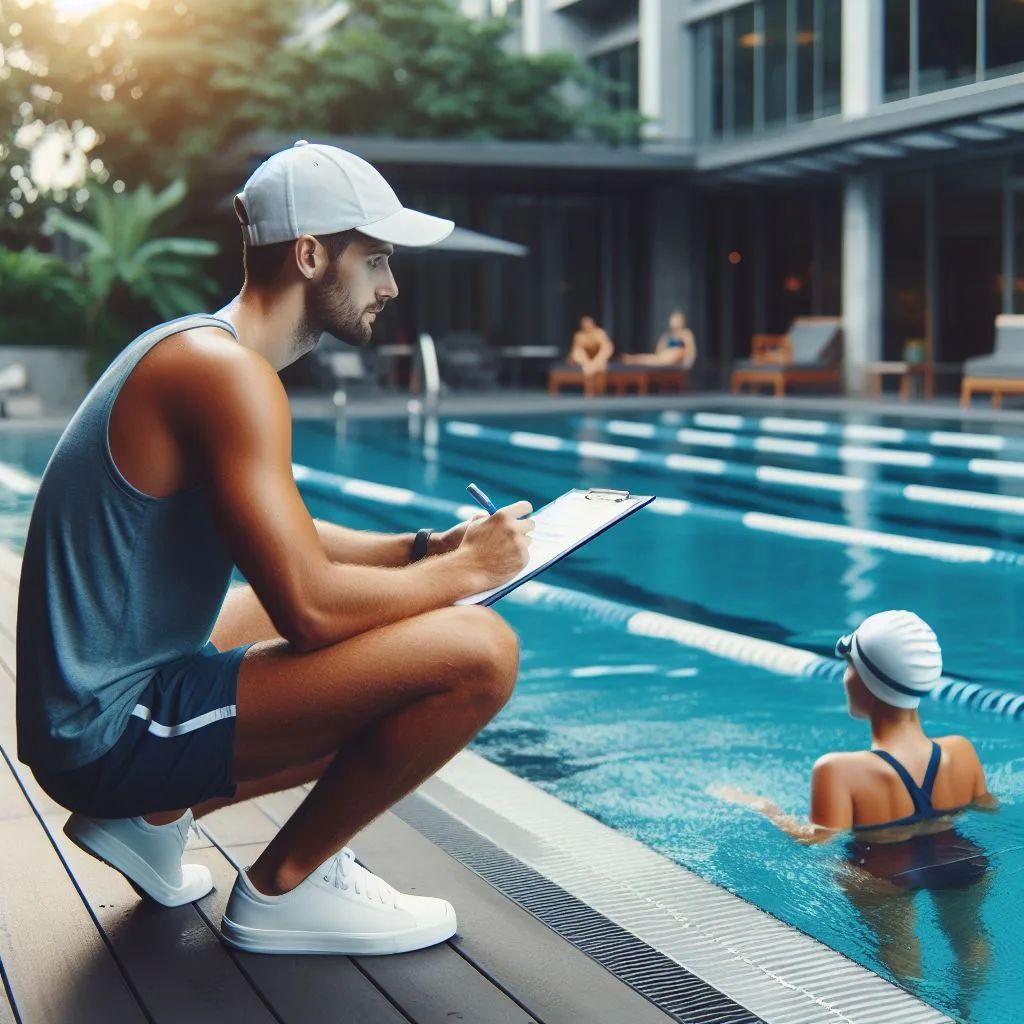
Swimming instructors are essential for teaching people of all ages and abilities how to swim safely and enjoyably. But not all instructors are equally effective or qualified. As a supervisor or manager of a swimming program, you need to evaluate your instructors regularly and provide them with feedback and training opportunities to improve their skills and performance.
In this post, we'll cover the key topics and criteria to consider when evaluating your swimming instructors, along with practical tools and methods to document and track evaluations.
Topics to Consider When Evaluating Your Swimming Instructors
When evaluating your swimming instructors, focus on these core areas:
Mastery of Their Class
How well do they know the objectives, skills, and progressions of the class they're teaching? Do they follow your program's curriculum and standards? Do they adapt their teaching to the needs and abilities of their students?
Are they familiar with your level structure? For example, do they understand the difference between a Parent & Tot class and Level 4? Here are some of our level guides for reference:
An instructor who truly masters their class can anticipate common challenges, adjust on the fly, and keep every student engaged and progressing.
Teaching Effectiveness
Look at how well they communicate instructions, demonstrate skills, and provide feedback. Effective instructors use clear, simple language and positive reinforcement. They also know when to step in and when to let a student struggle productively.
Safety and Supervision
Safety is non-negotiable. Evaluate whether instructors maintain constant visual contact with their students, enforce pool rules, and respond quickly to any signs of distress. Do they position themselves correctly in the water? Do they have a clear view of all swimmers at all times?
Professionalism and Communication
Assess their punctuality, appearance, and interactions with students, parents, and colleagues. Do they arrive prepared? Do they communicate progress and concerns to parents in a respectful, informative way? Professionalism builds trust and sets the tone for your entire program.
Adaptability and Problem-Solving
Swim lessons rarely go exactly as planned. Great instructors can pivot when a student is scared, a skill isn't clicking, or the weather changes. Look for instructors who stay calm, creative, and focused on the student's needs.
Tools and Methods for Evaluation
To make evaluations consistent and actionable, use a mix of these tools:
Making Evaluations Productive
Evaluation isn't just about finding faults — it's about helping instructors grow. After each evaluation, schedule a one-on-one meeting to discuss findings. Focus on specific, actionable feedback. For example, instead of saying "You need to be more engaging," say "Try using more enthusiastic praise when a student kicks across the pool."
Pair feedback with training opportunities. If an instructor struggles with class management, offer a workshop or mentoring session. If they excel in one area, ask them to lead a training for the rest of the staff.
Key Takeaways
- Evaluate instructors on class mastery, teaching effectiveness, safety, professionalism, and adaptability.
- Use a variety of tools: observation checklists, student data, peer reviews, self-assessments, and feedback from parents/students.
- Make evaluations a positive, growth-oriented process. Pair feedback with training and support.
- Regular evaluations improve instructor performance, student outcomes, and the overall quality of your program.
By investing time in thoughtful evaluations, you'll build a stronger, more confident team of instructors — and that means better swim lessons for everyone.
Activity, activity, challenge formula
How well do they follow the activity, activity, challenge formula, which is a proven method for teaching swimming skills effectively and efficiently? The formula consists of three steps: first, the instructor introduces and demonstrates a skill; second, the students practice the skill with feedback and correction from the instructor; third, the students are challenged to apply the skill in a different or more difficult situation.
Feedback that is relevant and actionable
How well do they give feedback that is relevant and actionable to their students? Do they use positive reinforcement and constructive criticism? Do they use specific and descriptive language to explain what the students are doing well and what they need to improve? Do they use different modes of feedback, such as verbal, visual, and physical?
Commanding the attention of their students
How well do they command the attention of their students? Do they use a clear and loud voice, eye contact, and gestures? Do they use different teaching strategies, such as questioning, demonstration, and explanation? Do they manage the class time, space, and equipment effectively? Do they handle any disruptions or distractions appropriately?
Fun, exciting, joyful
How well do they make the lessons fun, exciting, and joyful for their students? Do they use games, songs, stories, and rewards to motivate and engage their students? Do they show enthusiasm, passion, and humor? Do they create a positive and supportive learning environment?
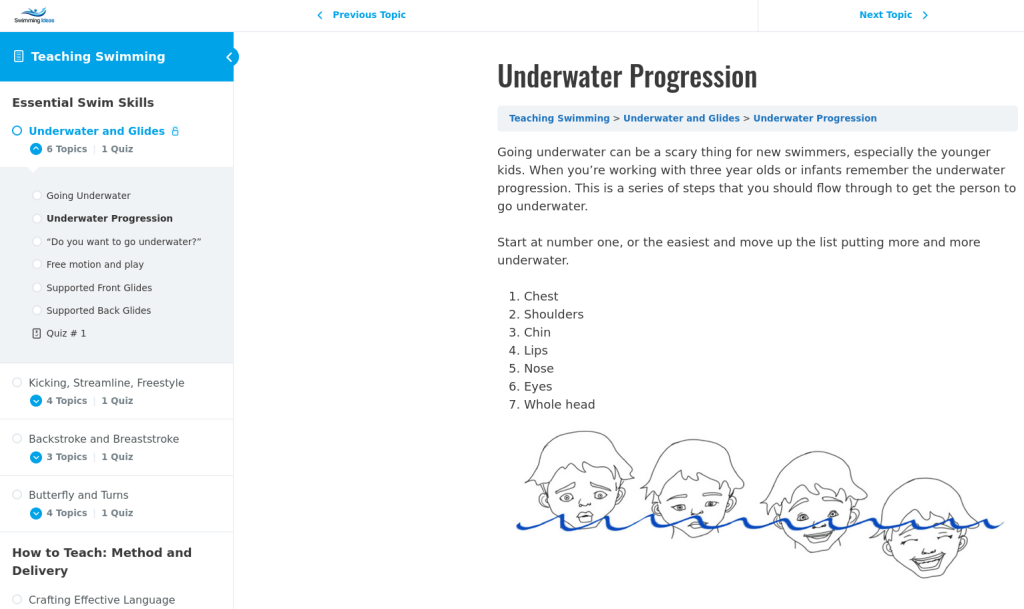
How well do they use the teaching methods that you train them in? Do they follow the principles and practices of your program or organization? Do they use the Swimming Ideas level structure, which is a comprehensive and flexible system for teaching swimming skills to different levels and ages of students?
Are they following the tenets of the Teaching Swimming online course?
Tools and Methods to Document and Track Staff Evaluations
To document and track your staff evaluations, you can use various tools and methods, such as:
We hope that this blog post has given you some useful information and tips on how to evaluate your swimming instructors. Remember that regular and constructive evaluation is key to improving the quality and effectiveness of your swimming program and ensuring the satisfaction and safety of your students. Happy swimming! ?
Discussion0 comments