
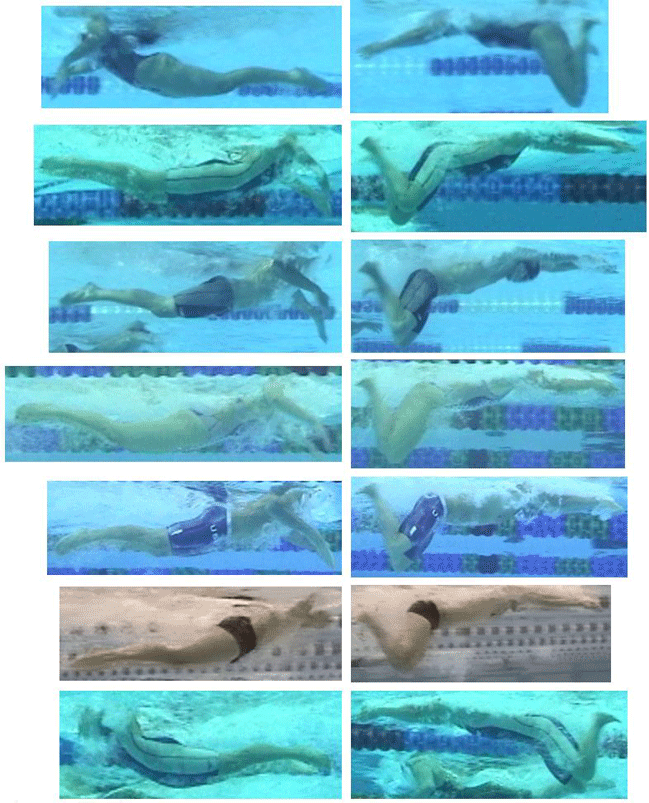
Mastering the breaststroke requires more than just arm movement; it demands powerful coordination between the hips, core, and kick. This comprehensive guide combines specific land exercises with targeted water drills to help you build muscle memory and refine every phase of your stroke.
🎯 Key Focus Areas for Breaststroke
The goal of these drills is to improve hip flexibility, strengthen the core, and ensure that the kick originates from the hips, not just the knees. Remember that proper technique always starts with a strong foundation!
🦵 Refining the Leg Action (The Kick)
The power in the breaststroke comes from a fluid, whip-like action originating from the hips. Pay close attention to maintaining a consistent angle throughout the cycle.
What to Focus On:
- Hip Drive: When initiating the kick, focus on driving the hips forward first.Knee Bend and Follow-Through: Allow the knees to bend naturally, and let the heels follow this movement along the surface of the water towards the hips.Maintaining Angle: Keep the angle from your shoulders to your knees as open and consistent as possible throughout the recovery phase.
⚠️ Common Mistake Alert
A very common mistake is attempting to lift the body by arching the back, or drawing the knees forward too sharply under the hips, which closes the angle. Think of this action like putting on the brakes—it kills momentum and efficiency. Focus on a smooth, continuous glide!
💪 Land Exercises: Building Core Strength
Before hitting the pool, these land drills help overstress the specific muscle tissues needed for optimal water posture and power.
1. Breathing and The Line Drill
Starting Position: Lay prone up on your elbows (this mimics the end of the inward sweep position).The Setup: Lift your ribs up and in, bend your knees, and bring your heels up and out (this is the 'Breathing' or recovery position).The Movement: Slide your arms forward, then bring your legs back and together smoothly, maintaining a straight line from your hips to your ankles.
<em>Coach Tip: Focus on keeping your torso stable and engaged throughout this movement. This helps build the core strength necessary to resist the rotational forces of swimming.</em>
🧱 Wall Drills: Kick Development and Memory
Using the wall provides resistance and a fixed point, allowing you to isolate specific movements and build muscle memory for the kick.
Kick Development Drill Steps
Setup: Face the wall and hook your elbows into the gutters. Your forehead, chest, and hips should be pressed against the wall.Body Position: Let your legs hang loosely, keeping them about 3–4 inches apart. Keep your hips pressed firmly into the wall throughout the exercise.Phase 1 (Recovery Focus): First, practice recovering the heels towards the hips without kicking. This isolates the hip flexion and adduction required for the kick.Phase 2 (Control): Then, bring the heels back down slowly, ensuring you do not kick prematurely.Phase 3 (Full Kick): Once you can perform Phases 1 and 2 without moving your hips, introduce the full kick!
<em>Remember: This drill is excellent for building muscle tissue memory for kicking. The goal isn't speed; it's perfect, controlled form.</em>
Key Takeaways for Practice
- Consistency over Power: Focus on the quality and consistency of your movement in every drill, rather than pushing for maximum distance or speed.Core Engagement: Always remember that a stable core is the foundation that allows the hips to move freely and powerfully.Progression: Don't rush through these drills. Master the slow, controlled movement before adding speed!
Discussion0 comments